When it comes to eating after a tooth filling, it’s natural to wonder when it’s safe to eat again and what foods are best avoided. Whether you’re experiencing your first filling or it’s a routine dental visit, knowing the dos and don’ts of eating after dental treatment is essential for your comfort and recovery.
You can usually eat after a composite filling once the numbness wears off—typically within 1 to 3 hours. For amalgam fillings, wait up to 24 hours and stick to soft foods. Avoid chewing on the treated side or eating hard, sticky, or very hot foods to protect your new filling. If eating after a tooth filling still causes discomfort, sharp pain, or your bite feels uneven, contact your dentist as it may need an adjustment.
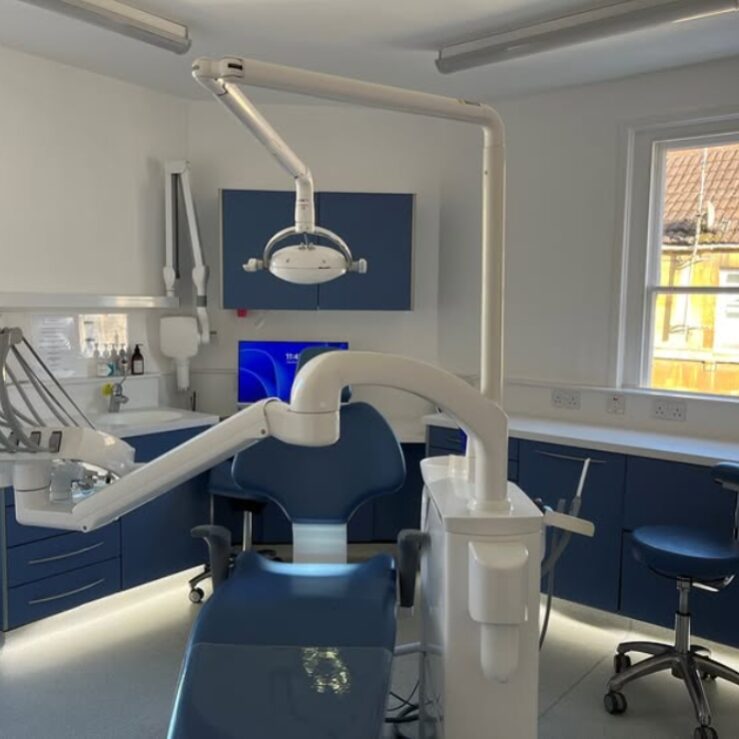
In this blog, the team at Manor Dental Practice explains exactly what to expect after a tooth filling, how long you should wait before eating, and what foods are best to help your recovery. We’ll also guide you through the common sensations after a filling and how to care for your treated tooth so that your restoration lasts for years to come.
A tooth filling is a general dentistry procedure used to restore a tooth damaged by decay, fractures, or wear. During the treatment, your dentist clears away the decayed area of the tooth and restores it with a durable material—most commonly composite (white) resin or amalgam (silver).
After the procedure, the filling helps restore the tooth’s shape, function, and strength. However, your mouth may still feel numb for a little while, and the tooth may be sensitive, which can make eating slightly tricky.
One of the first questions patients ask is: how long after a filling can I eat? The answer depends on the type of filling you’ve received, as different materials have different setting times.
If you’ve had a composite (white) filling, you’re generally able to eat once the local anaesthetic has fully worn off—usually within one to three hours. Although the material hardens immediately under a special curing light, it’s still important to wait for the numbness to subside to avoid accidentally biting your tongue, cheek, or lip.
On the other hand, amalgam (silver) fillings take longer to harden—up to 24 hours. During this period, it’s best to eat soft foods and avoid chewing on the side of your mouth where the filling was placed. You should also steer clear of anything hard, crunchy, or sticky for at least a day, as it could disturb the setting process or dislodge the filling.
In short, composite fillings allow for a quicker return to normal eating once the numbness fades, while amalgam fillings require a full day of extra care to ensure they set properly.
Knowing what not to eat after a tooth filling is just as important as knowing when to eat. Here are the top foods and drinks to steer clear of in the hours and days following your appointment:
Toffees, caramels, chewing gum, and similar sticky treats can pull at a fresh filling, especially if it hasn’t fully set. They also stick to teeth, potentially causing decay if not removed properly.
Nuts, raw carrots, crusty bread, and hard sweets put pressure on your teeth and could dislodge or crack the new filling.
Many people experience a sensitive tooth after filling treatment. Extremely hot or cold items can trigger discomfort. Avoid things like ice cream, hot coffee, or soup straight from the stove until sensitivity subsides.
Avoid fizzy drinks, fruit juices, sweets, or citrus fruits. These can irritate the filled tooth and encourage bacterial growth around the treated area.
So, what to eat after a filling? The ideal foods are soft, easy to chew, and neutral in temperature. Here are some tooth-friendly options to help ease you back into eating:
Make sure to chew on the opposite side of the filling—especially if you’ve had an amalgam filling that takes longer to set.
Pro tip: Avoid straws for a few hours post-treatment, as the suction can disturb healing or cause discomfort.
Mild discomfort or sensitivity is completely normal in the first few days following a filling. Your tooth may feel sensitive to pressure, cold air, or certain temperatures. This usually subsides on its own within a week.
Common Sensations After a Filling
However, if pain persists beyond a few days or worsens over time, it may be a sign the filling is too high or that the tooth nerve is reacting. In this case, contact Manor Dental Practice for a quick review.
Following proper tooth filling aftercare helps prevent future decay and ensures your filling lasts for many years. Here are a few best practices:
Brush Gently
Use a soft-bristled toothbrush and fluoride toothpaste. Be gentle around the filled tooth for the first day, especially if there’s any gum tenderness.
Floss Carefully
Continue flossing daily, but avoid snapping the floss down near the new filling. Instead, slide it gently out to avoid disrupting the material.
Avoid Clenching or Grinding
If you clench or grind your teeth at night, ask your dentist about a custom night guard. Grinding can wear down or crack fillings over time.
Keep Up with Regular Dental Check-ups
Regular visits allow your dentist to monitor the condition of the filling and check for signs of wear or leakage.
If you’re experiencing any of the following symptoms when eating after a tooth filling, don’t wait—get in touch with the Manor Dental Practice team:
Your comfort is our priority, and we’re always happy to help with post-treatment support or adjustments.
Following the right steps can ensure your filling sets properly, lasts longer, and keeps your smile strong and pain-free.
If you have any concerns after a filling or want to book a follow-up, don’t hesitate to contact Manor Dental Practice. We offer friendly, expert advice and dental care tailored to your needs.
Whether it’s your first filling or a routine check-up, we’re here to support your long-term oral health.
Back to blogs


Schedule your appointment today and start your journey to a healthier, more confident smile.
Book a Consultation